


How snapchat filters are perpetuating a demand for cosmetic procedures among teenagers
It began with the harmless rainbow filter. Large, exaggerated eyes, a wide mouth, and a colourful rainbow that flowed on command. Snapchat filters were purely for fun. Users shared “snaps” with each other bearing this adorable filter, and it quickly became a favourite to all– teenagers, children, and even elderly people.

The rainbow filter 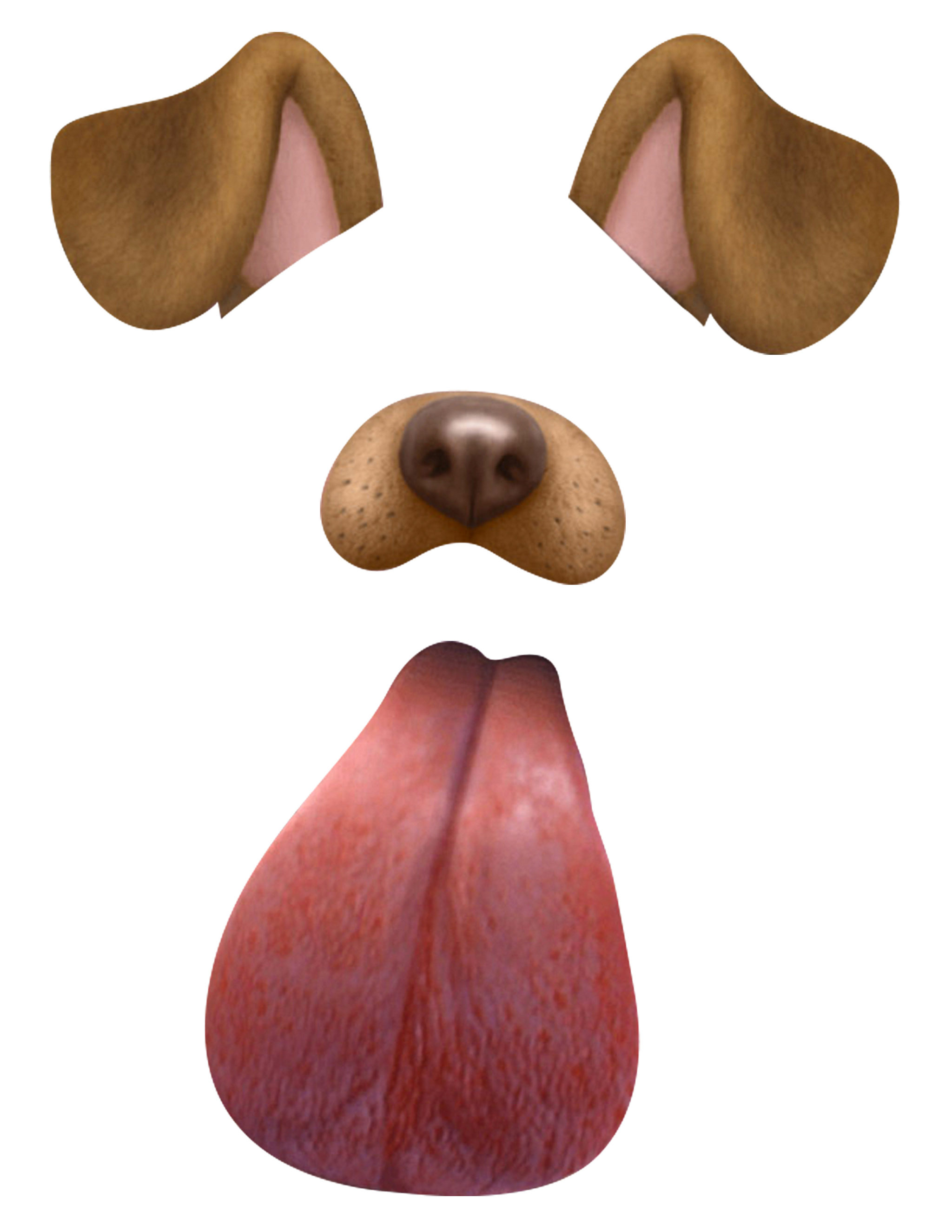
The dog filter 
A dog filter with a mask
Then came the dog filter. Lovable brown dog ears crowned every head, furry brown noses were framed in each face, and a big, pink tongue slurped at the camera when one opened their mouth. However, as fun as the dog filter was, it took a step towards the Snapchat filters that we know today. With the filter, skin texture and tone was easily smoothed, cheeks were lightly blushed, and the nose–a feature that many deem as their largest insecurity–was covered entirely. The age of beautifying Snapchat filters had begun, and was here to stay.
Then came “beauty filters,” that smoothed and lightened skin, widened eyes, softened jaws, changed eye colour, thickened eyelashes, added blush, whitened teeth, and plumped limps. What began as a fun way to send filtered photos to friends quickly spiralled into something more significant: creating a demand to look like one’s filtered self.
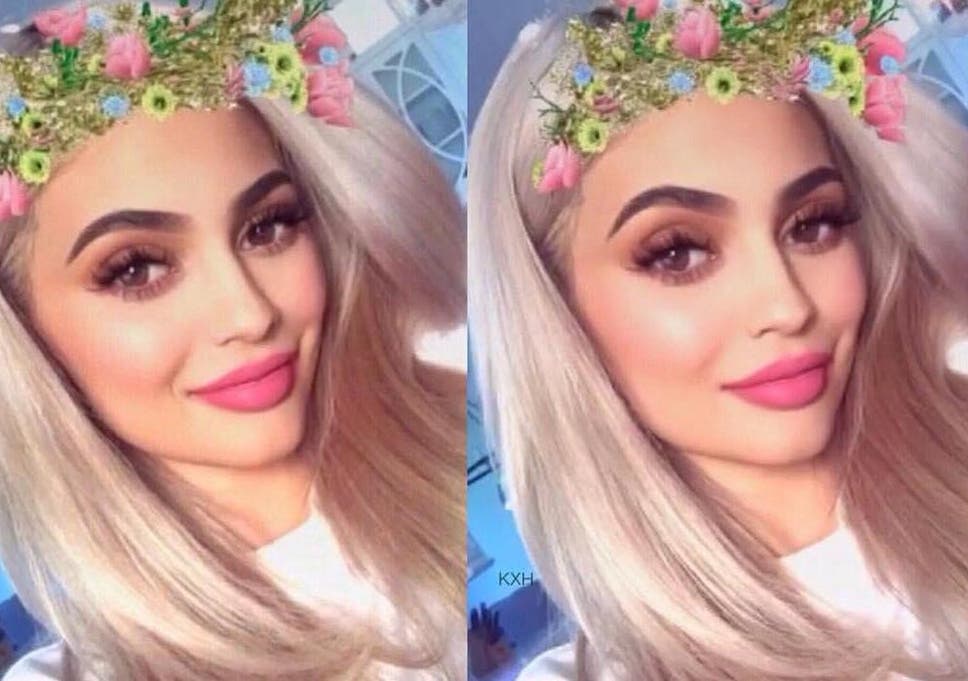
The phenomenon known as Snapchat Dysmorphia had begun.
What is “Snapchat Dysmorphia?”
Snapchat Dysmorphia is an unofficial form of Body Dysmorphic Disorder (BDD). BDD affects 1 in 50 people in the United States, or about 1.7% to 2.4% of the population. People with BDD are often so preoccupied with their flaws that they spend hours thinking of them, and often miss out the regular routine in life: like work, school, or interacting with others, in fear that others would notice their flaws too.
In reality, these flaws may be hardly noticeable to those around them. Though the causes of BDD are unclear, both environmental and biological factors can play a significant role in determining the severity.
In this case, many young people are not comparing themselves to celebrities and models, rather, they are comparing themselves to an edited, idealistic version of their own face and body. The sheer accessibility of Snapchat filters and Facetune–a paid editing app dubbed “Photoshop in the palm of your hand” allows young people to really make themselves appear perfect, in a way once only achievable by supermodels.
This, however, is an issue–once that filter comes off, so does the confidence. Removing the filter after an hour long selfie-session reveals the real person behind the visage.

It is then that the subtle insecurities are revealed–ones that many did not notice before. Suddenly, everything seems to be out of place. The minor things, like the shape of one’s nose or the length of one’s eyelashes, prompt Snapchat dysmorphia to take effect.
Snapchat’s role in cosmetic procedures
The next step after finding a problem–no matter how small–is to seek a solution. Many then turn to plastic surgery in order to tweak and fix their faces in order to resemble the face that they see onscreen. The accessibility of a quick filler; minor, un-invasive surgeries, makes something as daunting as plastic surgery seem as simple as spending the day at the nail salon.
More young people are turning towards plastic surgery in order to resemble their edited and filtered selves. Since a lot of filters address skin texture and tone, many visit dermatologists in hopes of finding a topical or medical skin care routine that will remedy the issue.
People are using that as an example of what they want their skin to look like, which basically means they want to get rid of irregular pigmentation and they want to soften fine lines and wrinkles.
–Dr. Matthew Schulman, a board-certified plastic surgeon based
in New York City
For many teens dealing with hormonal changes, sun exposure, and junk cravings, perfect skin is difficult to obtain. Many also cannot afford the hundred-dollar price tag that comes with high-end skin care products, raved by social media influencers and celebrities alike, with only a part-time minimum working wage.

What many fail to understand is that products marketed by influencers and celebrities are only responsible for a fraction of their success. A team of makeup artists, aestheticians, and facialists are often hidden from public view.
Besides different regimes, many attempt to bring their filtered features to reality via multiple non-invasive procedures, like fillers, that create quick results and minimum recovery. The notion of plastic surgery has shift from pain, expense, and weeks long recovery, to a procedure that can be done over a lunch break.
This is particularly appealing to young people, who are caught wanting to replicate the minor changes that a Snapchat filter can offer. A summer vacation, spring break, or any other short vacation is enough time for procedure and recovery, since teenagers have a faster cell turnover compared to adults.
Here, however, is the issue: a Snapchat filter provides instant results. It can be manipulated and seen from only one angle. A real procedure often develops over time, and can be seen from multiple angles, most of which can seem unappealing. The simplicity of getting a filler results in a cycle of dissatisfaction and wanting more.
Are our beauty standards changing?
Certainly not. In fact, Snapchat filters only seem to reinforce the beauty standards that have already been set in place. However, the issue lies within Snapchat’s accessibility. Indeed, clear skin and full lips have always been in style. 10 years ago, it would be difficult for one to see themselves with these desirable features–it was only reserved for celebrities in magazines. Now, in a matter of seconds, children as young as 9 years old have access to an app that can change their face.
Insecurities are normal during development. Aforementioned, acne is a large insecurity among youth, and to finally see oneself without it is a surreal experience. However, many teenagers fail to realize that they will eventually grow into their features. To get plastic surgery as young as 16 years old is not a favourable idea, as the face is still morphing into its true, adult form. For example, the rest of the face will catch up to a large nose: for a rhinoplasty, the ASPS reports that the nose stops growing between the ages of 15 and 17 for girls, and 16 and 18 for boys: proving that the best scenario for young people is to wait.
The American Society of Plastic Surgeons (ASPS) reported that 2017 saw an 11% increase in the amount of plastic surgery patients, with 229,000 cosmetic procedures carried out for teenagers aged 13 to 19.
The ASPS advises:
- The teenager must initiate the request for plastic surgery over a long period of time
- The teenager must have realistic goals, and must accept both the benefits and limitations of surgery
- The teenager must have sufficient maturity; that is, a past without alcohol and substance abuse, clinical depression, and erratic behaviour.
Filters are a great way to have fun and boost confidence online. However, they can also create a stressful online experience for many, who believe that they must be a perfect version of themselves online.
Though plastic surgery can be a good way of improving confidence and self satisfaction, extra caution needs to be taken during the digital age. Sometimes, a desire for plastic surgery reveals underlying problems that a procedure cannot address: a dissatisfaction with life that spans further than just appearance.
Feature image via Harper’s Bazaar
 furstgrader